Division 02 · Power & Energy
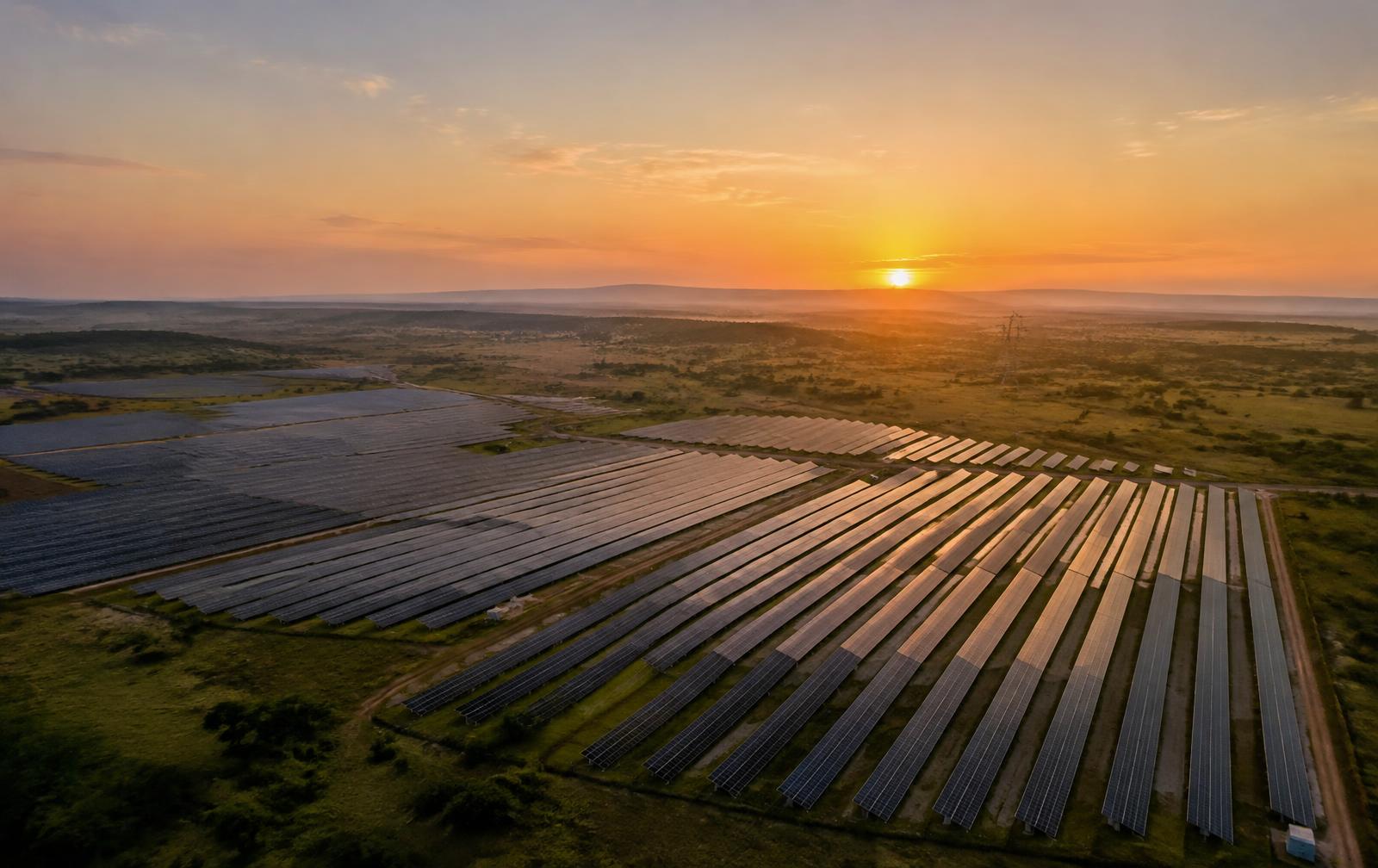
Powering Southern Africa's Future
Supporting power generation and energy infrastructure development through solar projects, commercial structuring and investment partnerships.
Solar power experience
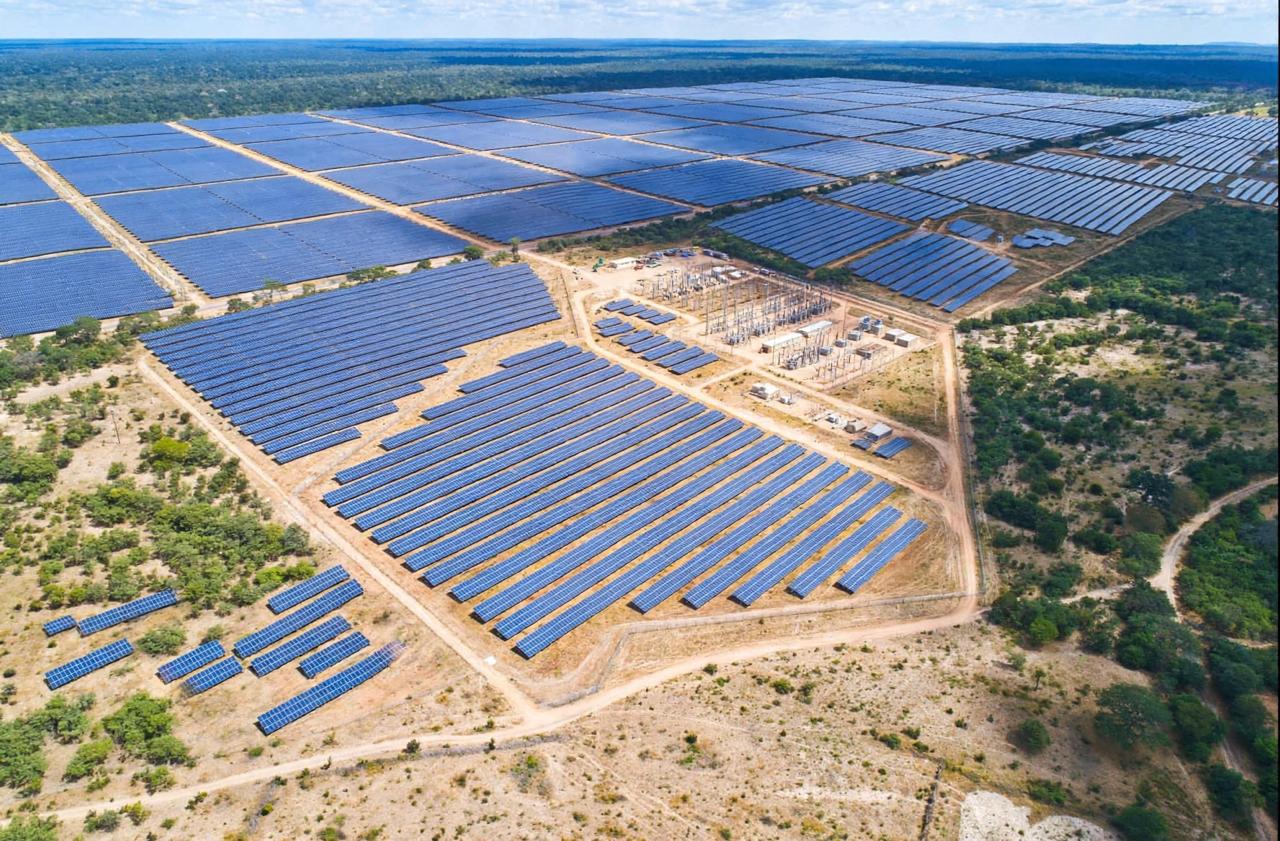
Solar Power Generation & Infrastructure
Eswatini Power Resources reports experience in solar power generation projects across Southern Africa, including private-sector and government-related initiatives.
The company's energy focus includes project planning, commercial structuring, power purchase agreements and financing frameworks that support energy infrastructure development.
Commercial framework
Power Purchase Agreements
A PPA is a long-term contract between an electricity generator and a buyer — the off-taker — setting out how much power is delivered, at what price and on what terms.
A well-structured PPA creates the predictable revenue that allows lenders to commit long-term finance.
Lenders & investors rely on contracted revenue
- 01
PPA structuring
Contract duration, delivery obligations and performance standards aligned with asset life and debt tenor.
- 02
Off-taker arrangements
Utility, government entity or private commercial buyer — and the payment security behind them.
- 03
Tariff & pricing frameworks
Fixed, escalating or indexed tariffs that define revenue per unit of electricity.
- 04
Contractual risk allocation
Who carries construction, curtailment, currency and change-in-law risk.
- 05
Commercial bankability
The terms lenders require before committing long-term project finance.
Capital
Project financing
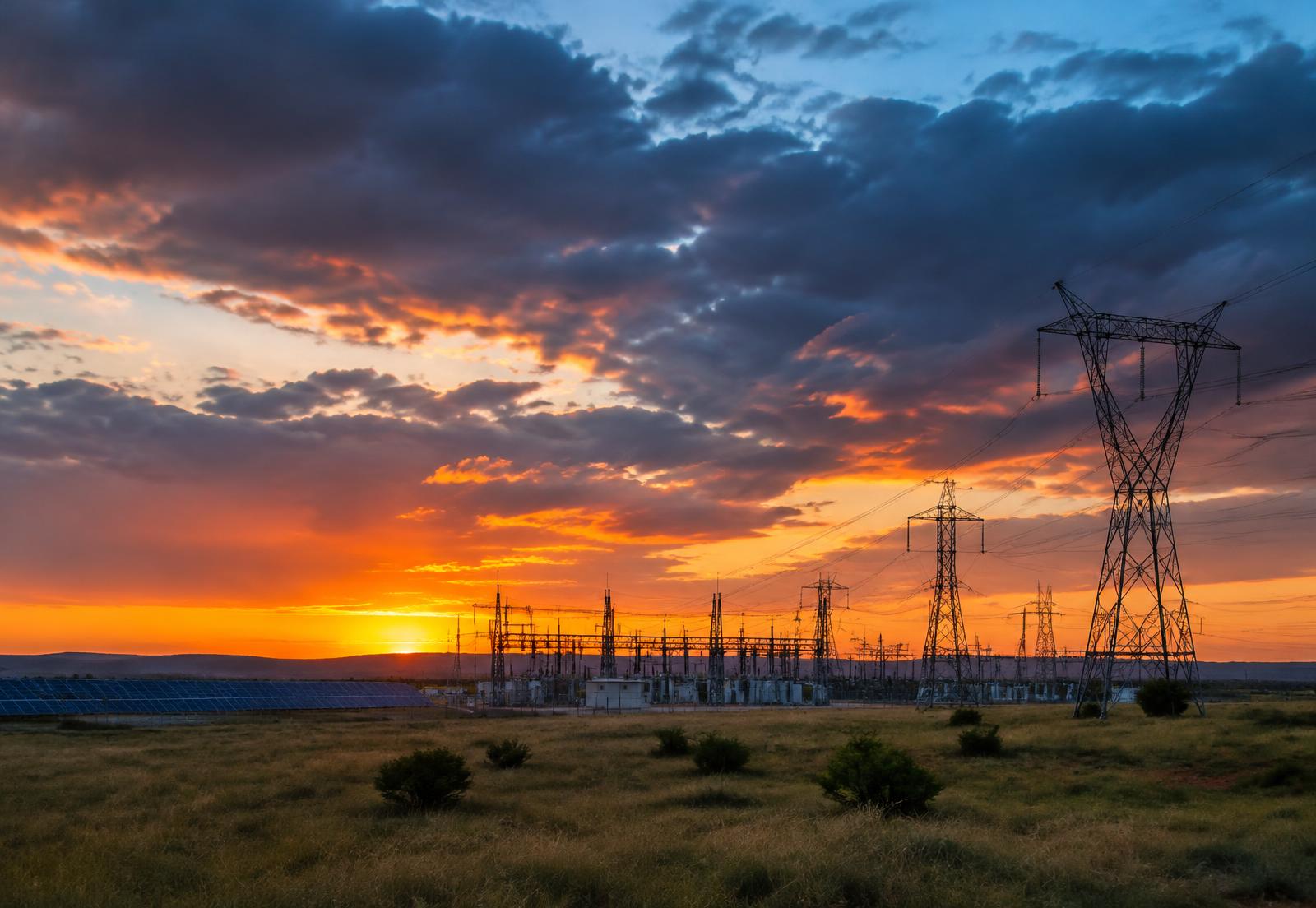
Energy infrastructure is capital-intensive and usually funded through a combination of structures. The right mix depends on project viability, contractual arrangements, regulation and investor expectations.
The company's brief indicates experience with local and international funding structures.
- Local financing
- Domestic commercial banks and institutions familiar with local markets and currency.
- International financing
- Global lenders and funds providing scale and long-tenor capital.
- Equity participation
- Sponsor and investor capital carrying first-loss risk.
- Project debt
- Non-recourse or limited-recourse loans repaid from project cash flows.
- Development finance
- DFIs providing concessional or long-tenor capital and credibility.
- Public-private partnerships
- Shared risk and responsibility between government and private parties.
- Investment structuring
- Combining instruments to match risk, return and regulatory requirements.
Project development framework
From opportunity to operation
- Stage 01
Opportunity identification
Screening sites, demand and commercial logic before committing capital.
- Stage 02
Feasibility & assessment
Solar resource, land, grid access, environmental and geotechnical factors.
- Stage 03
Commercial structuring
PPA negotiation, off-take, tariffs and risk allocation.
- Stage 04
Permitting & grid connection
Generation licensing, environmental approvals and utility agreements.
- Stage 05
Financing arrangements
Assembling debt, equity and development finance to financial close.
- Stage 06
Procurement & construction
EPC structuring, equipment supply and build coordination.
- Stage 07
Operations & maintenance
Performance monitoring, upkeep and long-term asset value.
Typical industry development stages — not a verified record of every service the company provides.
Building Opportunities in Regional Power Development
Connect with Eswatini Power Resources to discuss solar generation, energy infrastructure, commercial structures and investment partnerships.